By Cathay Yenana:

Child stardom embodies a paradox—a shimmering glitter that promises fame, fortune, and adulation, contrasted sharply by the grit required for resilience, emotional stability, and authentic personal growth. From the bright lights of Hollywood to the global stage of social media influencers, children thrust into the limelight often find themselves navigating a complex landscape of opportunity and challenge. While the allure of fame is compelling, the journey is riddled with pitfalls that can irrevocably impact their development.
These youngins are portrayed as a glittering world of fame, glamour, and boundless opportunity. From an early age, these young celebrities captivate audiences worldwide, embodying dreams and aspirations that inspire millions. However, beneath the dazzling veneer lies a complex reality marked by challenges, sacrifices, and often, unintended consequences. Yet, beneath the glitter lie persistent challenges—mental health issues, exploitation, loss of childhood innocence, and strained familial relationships. The case of Michael Jackson exemplifies how child stardom can lead to profound personal trauma, balancing widespread fame against a backdrop of alleged abuse, mental health issues, and an arduous quest for normalcy.
Similarly, the story of Bryan Spears, father of Britney Spears, illustrates how parental involvement can sometimes become overbearing or exploitative. Britney’s struggles with mental health issues and her highly publicised conservatorship reveal the darker side of child stardom, where the ambitions of parents and managers may overshadow the child’s well-being.
The not-so-good often involves fame’s capacity to distort identity, foster dependency, or lead to burnout. Many child stars, such as Demi Lovato and Miley Cyrus, have publicly spoken about their battles with mental health, substance abuse, and the difficulty of maintaining authentic selves amidst fame’s pressures
Let’s reflect on the paradox of child stardom—celebrating its shining moments, acknowledging its pitfalls, and examining the critical role of parents, culminating in reflective questions for a child star who navigated this labyrinthine experience
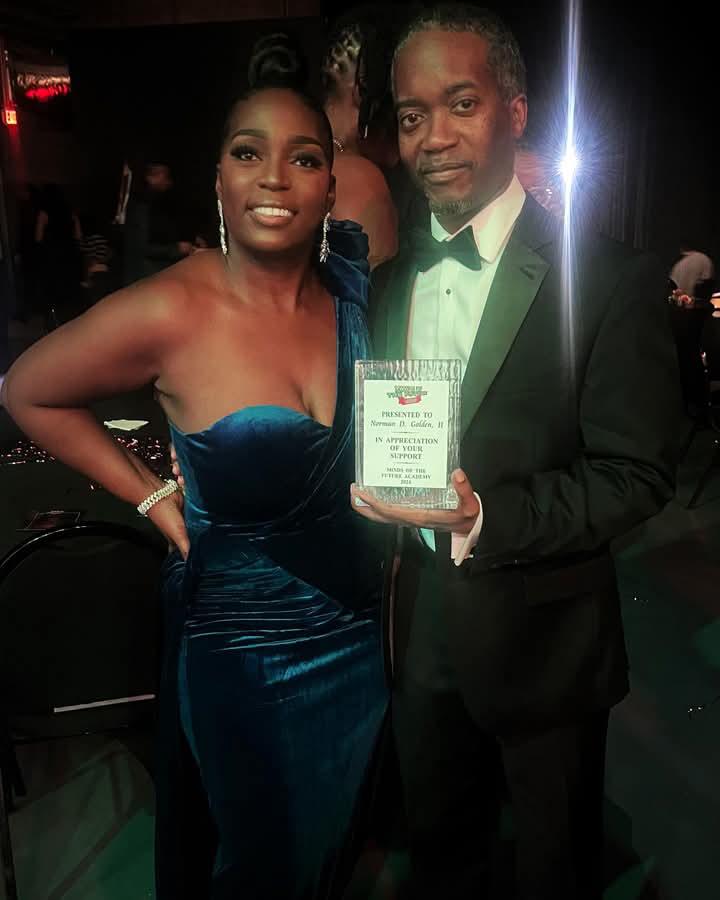
Somehow, parents like Theresa Golden got it right. Child stars like Norman Golden D II exemplify the constructive side of early fame. He serves as a source of hope, resilience, and inspiration.
In some cases, child stars have leveraged their fame into meaningful careers and social activism, using their platforms for advocacy. There are some stars who have translated their stardom into roles promoting social justice. Their journeys demonstrate that, with appropriate support, early fame can be a launchpad for positive influence.
Conversely, many child stars face significant hurdles. The pressures of fame—public scrutiny, loss of privacy, and the expectation to perform—can take a toll on their mental and emotional well-being. Examples abound:
Duke and Dakota Johnson: Their childhoods under the intense spotlight highlighted the emotional toll and loss of normalcy.
Miley Cyrus: Transitioning from Disney’s “Hannah Montana” to a more adult image revealed struggles with identity, public criticism, and substance abuse.
The tragic case of Corey Haim and Cory Feldman: These actors opened up about exploitation and abuse within the industry, shedding light on vulnerabilities faced by child performers.
Research indicates that many child stars grapple with anxiety, depression, and substance abuse, often exacerbated by inadequate support systems. The relentless pursuit of perfection, coupled with high expectations, can distort their self-image and hinder their development. Parents and guardians wield enormous influence over the experiences of child stars. Their role can be both a protective shield and, paradoxically, a source of vulnerability.
“Norman was an exceptionally bright, expressive, and intelligent child. Unlike many young actors who endured exploitation or mistreatment within the industry, he had the rare and grounding presence of family. Either his father and I were with him on every set, or his older sister was nearby, always watching out for him, always protecting his well-being. That made all the difference,” says Theresa Golden, mother of Norman D. Golden II.
Some parents view their child’s fame as a financial windfall, pushing them relentlessly to succeed or maintain their stardom, often at the expense of the child’s well-being. The case of Jon and Kate Gosselin highlights how parental pressure can distort childhood experiences. Then there are parents who prioritise education, rights, and emotional health, creating a more balanced environment. The example of Theresa Golden comes to mind, guiding their children through fame with emphasis on self-awareness, exemplifies responsible parenting. Beyond parents, industry professionals—managers, agents, and mentors—we must safeguard the child’s interests and promote healthy development.
The paradox of child stardom lies in its dual nature: it is a realm where extraordinary opportunity coexists with profound vulnerability. Norman D Golden II and I had a candid conversation about how he has illuminated his path.


Cathay Yenana:
Where did it all start for you?
Norman D Golden II:
As a kid, my family and I would watch TV together after dinner—always family-friendly shows. I knew it wasn’t real, but watching those child actors looked like so much fun. I started asking my parents if I could act too. Instead of dismissing me, they encouraged me to pray—or chant, since we’re Nichiren Buddhists—if it was something I truly wanted. I did. A few months later, my mom mentioned my interest to my aunt, who suggested enrolling me in a commercial workshop. My parents agreed, and after completing the workshop, I was signed by an agent and manager. Auditions followed, and though it took some time, I eventually found my rhythm—booking three commercials, a TV role, and then Cop and a Half.
Cathay Yenana:
What was it like working with such great, celebrated actors at a young age?
Norman D Golden II:
Surreal. Working with someone like Burt Reynolds—he was iconic, but also warm and generous. Then there are other celebrated artists I’ve worked or collaborated with, such as Ruby Dee, Maya Angelou, Yolanda King and Harry Belafonte. As a kid, you don’t fully grasp how legendary these figures are until you’re older. But you do know you’re learning just by being in the room.
Cathay Yenana:
What parts of your childhood do you cherish the most?
Norman D Golden II:
The parts when the cameras weren’t rolling. Riding bikes, playing video games, faith activities on Sundays, family dinners and holidays. Those were the moments that shaped me the most. They reminded me that I was a kid first, an actor second.
Cathay Yenana:
Who are the people you trust most in your life, and why?
Norman D Golden II:
My family—always. My wife, my parents, siblings and a select group of close friends who knew me before, during and after the fame. My Guru in martial sciences is Joseph Jackson. I’m deeply grateful for the lasting and meaningful impact he’s had on my life. They don’t care about credits or cameras—they care about me as a human being.
Cathay Yenana:
In what ways do you stay grounded amidst fame’s temptations?
Norman D Golden II:
Faith plays a big part. Also, stepping away from the spotlight gave me perspective. I had to figure out who I was without the applause. Prayer, mentorship, and reflection helped me stay anchored. Fame is fleeting; character isn’t.
Cathay Yenana:
What are your personal goals outside of your career?
Norman D Golden II:
Being the best father and husband I can be. Making space for creativity—writing stories that reflect real life, investing in projects that uplift communities. And continuing to build tech that solves real problems. That’s the purpose for me.
Cathay Yenana:
How did you balance your career, school, friends and acting?
Norman D Golden II:
My parents didn’t play. Schoolwork came first. I had on-set tutors, but they kept me disciplined. They made sure I didn’t lose out on being a kid, even when I had call times and premieres. I had a childhood, even when the cameras were rolling.
Cathay Yenana:
What has been your biggest challenge, and how do you navigate through them?
Norman D Golden II:
Reinvention. After child stardom, people don’t know what to do with you. You become an acceptable target. I had to figure out who I was outside of the spotlight. It took some time, mistakes, and grace, but I learned to lean into growth.
Cathay Yenana:
How do you envision your life after the spotlight fades?
Norman D Golden II:
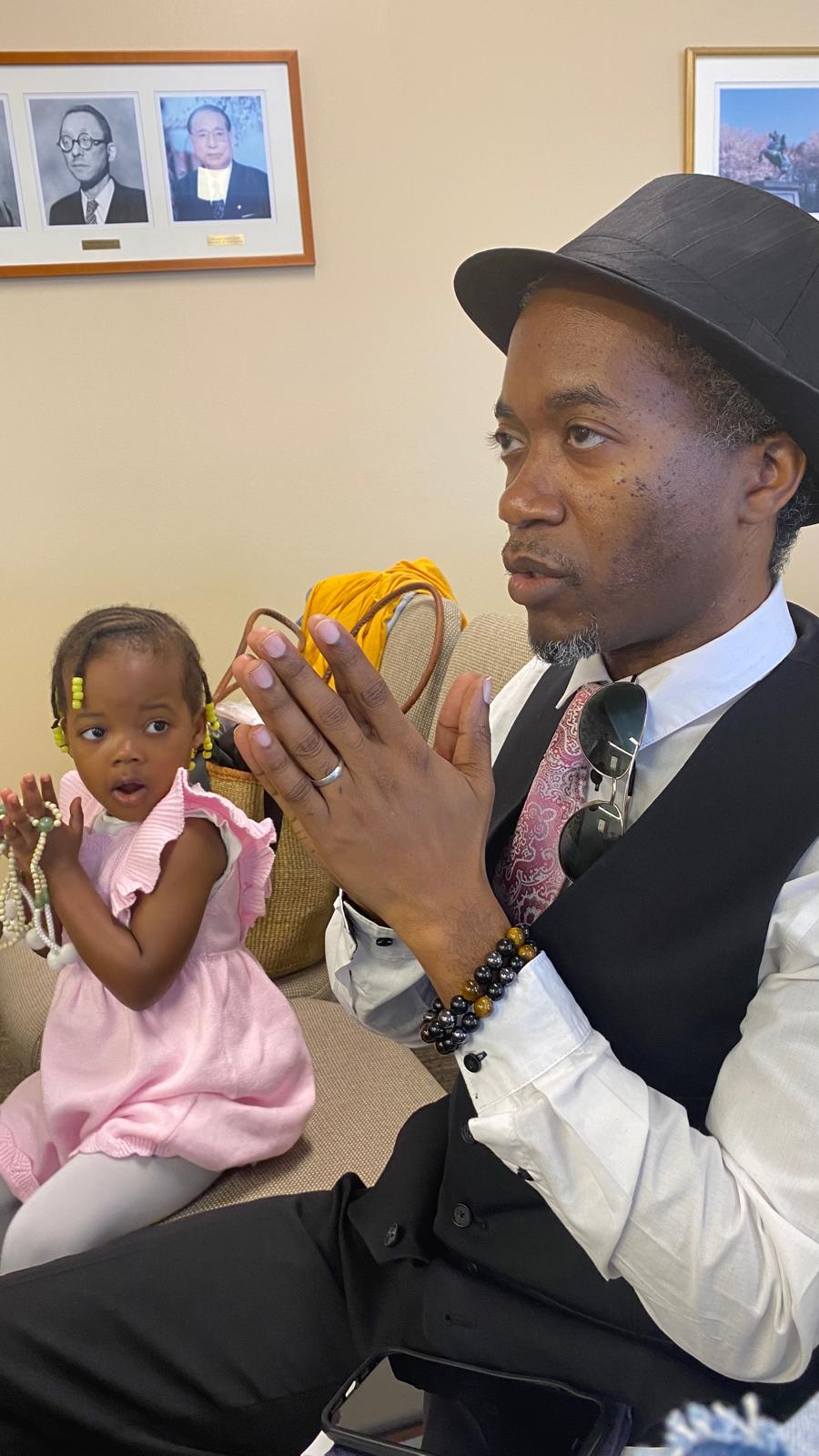
I’m living it. It’s peaceful, purposeful, and full of creativity. I’m writing, building, and mentoring. Life after the spotlight is about service, legacy, and presence. I’m building stories, technologies, and communities that last longer than any red carpet moment. Fame has never been the goal for me—impact is.

Cathay Yenana
What inspires you beyond your craft and fame?
Norman D Golden II:
People. The quiet strength of those raising families, building businesses, and mentoring kids. Music. My faith. Seeing someone overcome adversity with grace. That’s real inspiration—not the fame, but the flow of life.
Cathay Yenana:
How do you deal with the pressures of everyday life now as a father and a husband?
Norman D Golden II:
With humility and intentionality. There’s no script for this. I work to remain present, open, and consistent. I make mistakes, but I also strive to show my child how to learn and grow from them. Success at home matters more than success in the world
Cathay Yenana:
What does Norman do now?
Norman D Golden II:
Now, I’m a creativepreneur. I work in the intersection of storytelling and tech, building platforms that empower people. I’m still a storyteller at heart—whether it’s in a script, an app, or a conversation.
Cathay Yenana:
How do you want to use your platform to make a positive difference?
Norman D Golden II:
By mentoring young creatives and tech innovators, especially from underserved communities. By telling authentic stories. By being visible proof that you can evolve and thrive with grace and power, even after the credits roll.
Cathay Yenana:
What advice would you give to children aspiring to be actors, performers?
Norman D Golden II:
Know who you are, outside of the spotlight. Have something in your life that’s just yours. Find mentors, stay curious, and never let accolades define your worth.
Cathay Yenana:
What brings you Joy?
Norman D Golden II:
My Daughter’s laughter. Creating. Seeing someone I’ve mentored thrive. A good conversation. A breakthrough moment. And knowing that every chapter of my story has purpose—even the quiet ones.
Reflection: My reflections with Norman Golden 11 remind us that you can achieve that balance, child stardom is a complex phenomenon, demanding a nuanced understanding of its dual nature. While the glitter can illuminate pathways to extraordinary opportunities, it also shines a spotlight on grit, resilience, self-awareness, and healthy boundaries.
Parents, guardians, industry professionals, and society at large, we bear a collective responsibility to ensure that the children aspiring to or living in the limelight are supported, protected, and empowered to emerge not just as stars but as balanced individuals. – @NewsSA_Online
Please like, follow and engage with us on our social media platforms, links below: