BY SELLO HATANG:
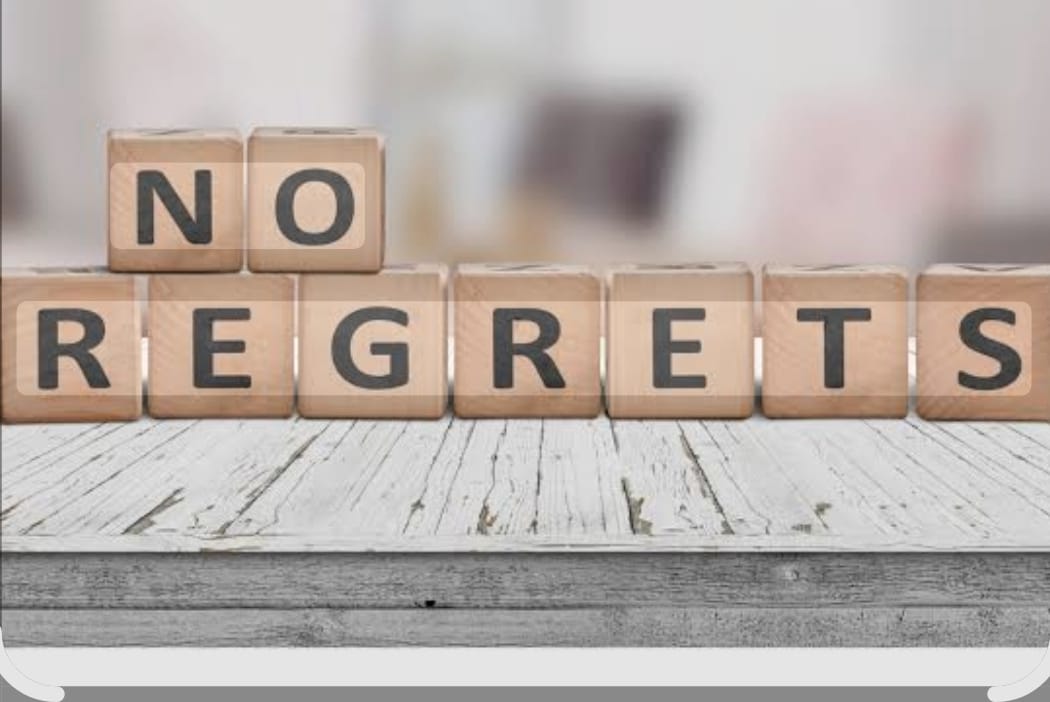
Regret is one of life’s most unforgiving teachers. It has a way of visiting us when the noise of the world has quieted, reminding us of words we should have spoken, apologies we should have offered, opportunities we allowed to pass, relationships we neglected and people we failed to appreciate while they were still within our reach.
Sometimes, regret is about the decisions we made, but often it is about the courage we could not summon when life presented us with an opportunity to act. We regret the love we withheld, the forgiveness we postponed, the dreams we abandoned and the moments we took for granted, assuming there would always be another day.
Unfortunately, life does not come with an undo button, nor does it guarantee us another opportunity to say what should have been said yesterday.
One of the most profound lessons I have learnt from my mentor, Dr Leon Wessels, is captured in a saying he has often shared with me: “You cannot argue for a better past, but you can learn from it and build a better future.” These words have stayed with me through some of life’s most difficult seasons, reminding me that no amount of wishing, regretting or replaying yesterday’s events will change what has already happened.
We can spend years arguing with our past, imagining different outcomes and punishing ourselves for decisions we made without the wisdom we possess today, yet the past remains stubbornly unchanged.
As I often remind myself, “Regret becomes a prison when we spend more time negotiating with yesterday than investing in tomorrow.” The challenge is not to pretend that our mistakes never happened, but to acknowledge them honestly, extract their lessons and refuse to allow them to become permanent barriers to our growth.
There is a Setswana saying, “Phoso ga e na mmala,” loosely translated to mean that mistakes have no particular colour; they are part of the human experience and can be made by anyone. It reminds us that imperfection is not the preserve of a particular person, generation or circumstance.
We have all made decisions that looked right at the time but turned out differently, trusted people who disappointed us, walked away from opportunities that later proved valuable or held on to situations long after we should have let go.
The wisdom lies in recognising that making a mistake does not condemn us to a lifetime of regret. Remember, the mistake belongs to yesterday, but the responsibility to learn from it belongs to today. We must develop the humility to admit when we were wrong, the courage to make amends where possible and the wisdom to recognise that not every broken thing can be repaired, even when our intentions are sincere.
Regret also teaches us something important about timing.
We often assume that there will always be time to visit someone, make that telephone call, express our gratitude, pursue a dream or mend a relationship, only to discover that opportunities have expiry dates that are seldom announced in advance. A person dies before we say goodbye, a friendship fades while we wait for the other person to make the first move, or an opportunity disappears while we are still gathering the courage to pursue it.
One of life’s cruellest lessons is discovering that tomorrow was never promised to the opportunity we had today. This is why we must learn to love generously, forgive more readily, express appreciation while people can still hear it and pursue meaningful opportunities before hesitation becomes another chapter in our book of regrets.
There is, however, an important distinction between learning from regret and living in it. Some people carry yesterday’s mistakes as though suffering indefinitely will somehow compensate for the pain they caused or the opportunities they lost.
Accountability matters, and forgiveness does not erase consequences, but endless self-punishment serves neither the person who made the mistake nor those who were affected by it.
We must learn to forgive ourselves without excusing our actions, accept responsibility without surrendering our dignity and understand that personal growth sometimes requires making peace with outcomes we cannot reverse.
Remember, you cannot rewrite the chapter that has ended, but you still hold the pen for the chapters that remain. Keep writing!
As we begin this new week, I encourage you to reflect on your regrets without allowing them to define you. Make the call, offer the apology, forgive where you can, express your love and take that courageous step towards the dream you have postponed for too long.
May your faith remain stronger than your disappointments, your optimism survive your mistakes and your hope never become a casualty of yesterday’s pain.
The greatest tragedy is not that we have regrets, but that we allow them to steal the life we still have an opportunity to live.
Let me repeat: Live a life free from the burden of regret, not by avoiding mistakes, but by learning from them, making peace with the past and embracing the opportunities of today.
Join the movement.
#ReHataMmoho #SH
Sello Hatang is the Executive Director of Re Hata Mmoho – @NewsSA_Online
Follow us on our social media platforms below: