BY SITHA MALIWA:
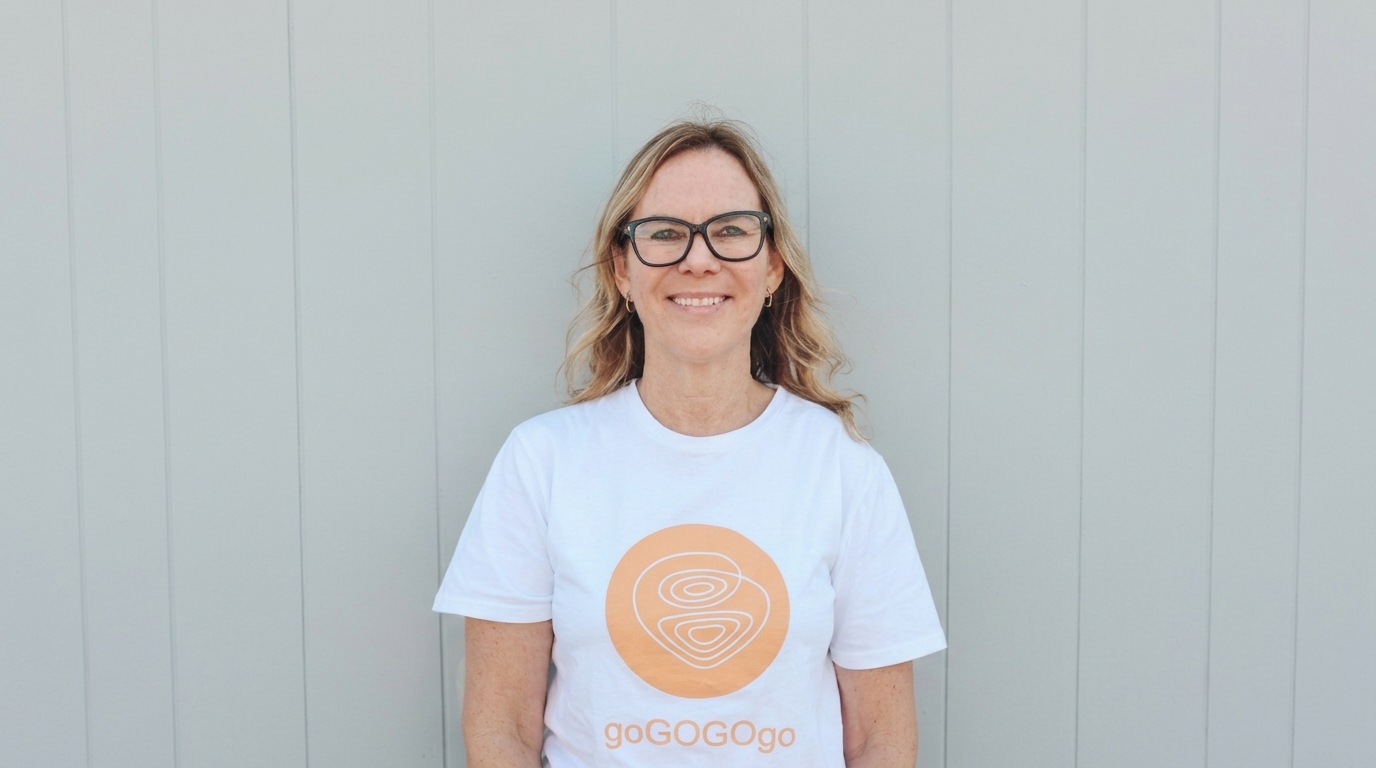
As South Africa prepares to observe the International Day for the Elimination of Violence Against Women on 25 November and the annual 16 Days of Activism campaign, a Johannesburg-based non-profit organisation is challenging society to confront an often-overlooked reality: older people also have sexual health needs, deserve intimacy and have the right to bodily autonomy.
Through its Sexual Health for Older Persons (SHOP) initiative, goGOGOgo is creating safe, judgement-free spaces where people aged 50 and older can discuss sex, sexual health, consent, HIV prevention and safer sexual choices without embarrassment or fear of being judged.
The initiative challenges the widespread assumption that sexuality and intimacy are concerns primarily affecting younger people, highlighting the importance of ensuring that older adults are not excluded from conversations about sexual health and gender-based violence.
Developed in collaboration with Realise Canada and the South African Medical Research Council (SAMRC), SHOP has conducted workshops in Alexandra, Eldorado Park and Diepsloot. The sessions address safer sex, HIV and sexually transmitted infections (STIs), consent, menopause, erectile dysfunction and other physical changes associated with ageing.
The programme attracted as many as 51 participants at a single workshop, with its largest gathering recorded at Alexandra’s Thusong Centre in March 2026.
“Despite what many may think, getting older does not mean that you lose your desire for sex and intimacy. Our work gives older South Africans a room where they can ask questions and explore what sexual expression means at this point in their lives,” says goGOGOgo founder Jane Simmonds
“That curiosity is healthy and deserves space to play out safely and without judgement.”
An ageing HIV epidemic
The need for such interventions is underscored by South Africa’s changing HIV landscape. Advances in antiretroviral treatment have enabled people living with HIV to enjoy longer and healthier lives. However, the country’s HIV epidemic increasingly affects older age groups.
The Human Sciences Research Council’s latest national HIV survey found that the peak of HIV prevalence has shifted towards older people. Among adults over 50 with more than one sexual partner, only 27.9% of men and 29% of women reported using a condom the last time they had sex.
Older people consequently face a double burden of stigma. Ageism perpetuates the misconception that they are no longer sexually active, while HIV-related stigma can discourage them from seeking information, testing and appropriate healthcare.
SHOP seeks to close this gap by giving older adults access to accurate information and encouraging them to make informed decisions about their sexual and reproductive wellbeing.
Breaking the silence around sex and ageing
The workshops use interactive activities to make difficult conversations easier. One of the opening exercises is a word search featuring terms such as vagina, penis, orgasm, menopause and erectile dysfunction.
Words that are often considered taboo are introduced through a game, allowing participants to become comfortable saying them aloud and discussing issues they may previously have been too embarrassed to raise.
The conversations often become humorous, personal and practical.
At one session, a woman shared how she began experiencing body aches after her husband retired to their rural home while she remained in Johannesburg. After consulting a doctor who could find no physical explanation for her discomfort, she was advised to spend time with her husband.
She followed the advice and later explained that her aches eased when she resumed what she jokingly called “sexercise”.
Beyond the humour, the workshops address the physical realities of ageing. Menopause can affect sexual desire and comfort, while diabetes, heart disease and certain medications can contribute to erectile difficulties.
Participants are encouraged to understand that these changes are common, that many can be managed and that seeking medical advice should never be a source of shame.
The programme also confronts the barriers older people experience when accessing healthcare. Some participants have recounted being treated dismissively by nurses, leaving them reluctant to discuss intimate health concerns.
One female participant captured this frustration when she said: “Just because I am no longer reproductive, my vagina is still part of my body… it is still there!”
In response, SHOP has extended its work to healthcare practitioners, conducting workshops to encourage more respectful, sensitive and inclusive conversations with older patients.
Although men sometimes initially remain quiet during discussions, facilitators have observed that their participation increases as they become more comfortable. A recent workshop in Alexandra attracted more men than usual, signalling progress in challenging the stigma surrounding men’s sexual health.
“People arrive embarrassed and leave with a booklet in their bag and questions for their clinic. The shift happens when they realise everyone in the circle has been wondering the same things,” says SHOP co-facilitator Valerie Mthandeki.
Consent does not expire with age
As South Africa prepares for 16 Days of Activism, the initiative places particular emphasis on consent, sexual abuse and the right to make decisions about one’s own body.
During one workshop, participants debated whether a person could change their mind after sexual activity had already started. While some initially questioned this, others challenged the assumption, creating an opportunity to reinforce a fundamental principle: consent can be withdrawn at any time.
This applies regardless of whether people are in a new relationship or have been married for 40 years.
Being older, married or in a long-term relationship does not remove anyone’s right to bodily autonomy. Every person is entitled to dignity, respect and the freedom to decide what happens to their body.
By creating spaces for these conversations, SHOP is helping challenge harmful attitudes that can leave older people vulnerable to sexual coercion and abuse.
Taking the conversation across generations
The benefits of these discussions extend beyond the workshop participants themselves.
Grandmothers and grandfathers often play significant roles in raising children and teenagers, particularly in households where grandparents are primary caregivers. Their understanding of relationships, consent, respect and sexual health can therefore influence how younger generations approach these issues.
Gogos can help create opportunities for open conversations with teenagers about relationships, sexual health and personal safety, while grandfathers can play an important role in teaching boys about respect, consent and responsible sexual choices.
For older South Africans who grew up in environments where sex was rarely discussed openly, SHOP offers an opportunity to break generational silence and replace misinformation with knowledge.
As the country marks 16 Days of Activism, the initiative serves as a reminder that the fight against gender-based violence must include everyone, regardless of age.
Sexual health, consent, intimacy and personal safety are not privileges reserved for the young. Older people, too, deserve access to information, compassionate healthcare and spaces where they can speak freely about their bodies and relationships.
Ultimately, conversations about sexual health, consent and safety should never have an age limit. – @NewsSA_Online
Follow us on our social media platforms below: