Almost 3,000 ultrasound scans in five months are helping clinicians make faster decisions, bringing critical diagnostic care closer to patients who previously faced delays and referrals to other hospitals.
BY SITHA MALIWA:
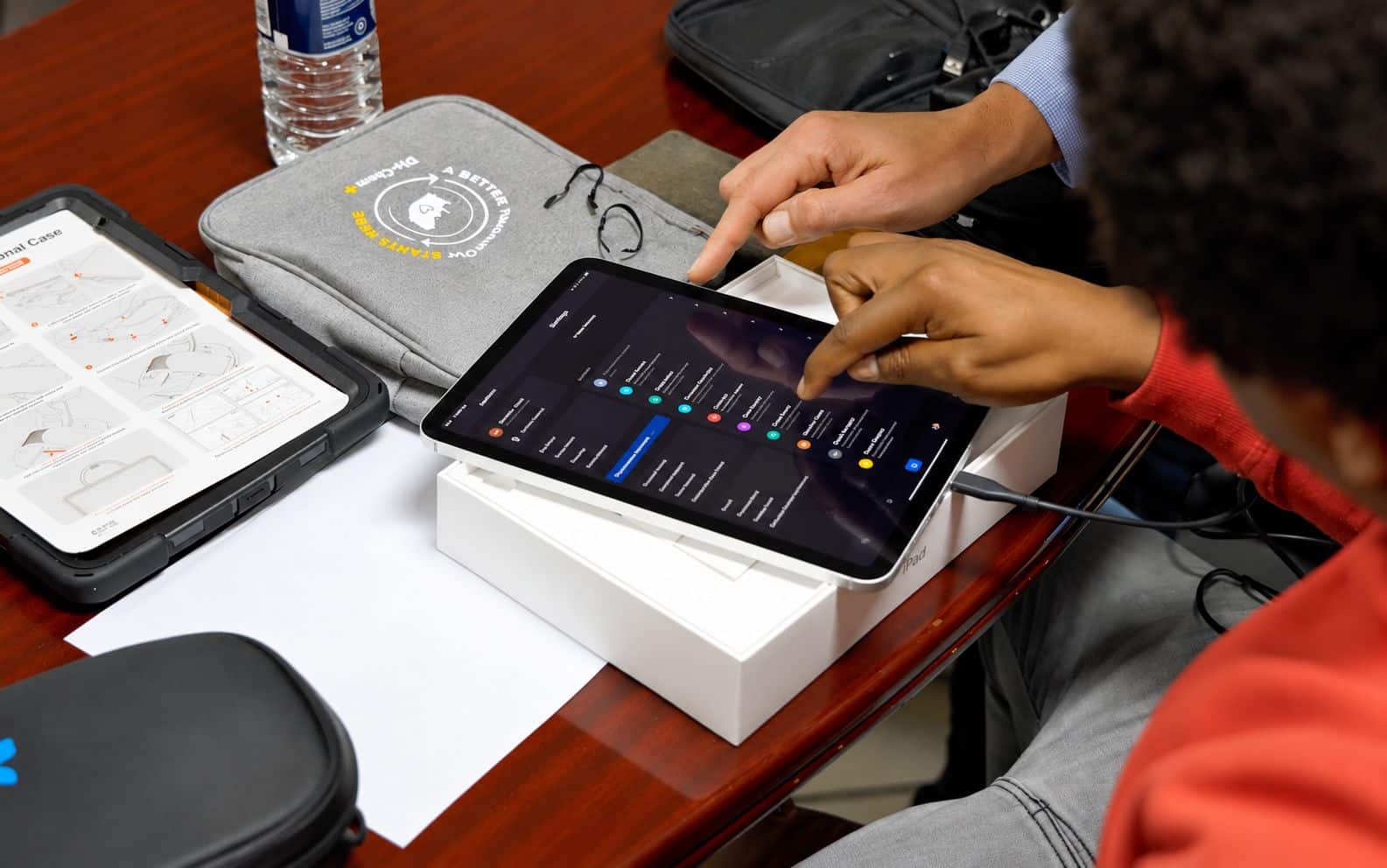
When a patient arrives at a hospital with severe abdominal pain or injuries from a road accident, every minute can matter. The difference between a quick diagnosis and a lengthy wait can influence critical treatment decisions, particularly when internal bleeding or other life-threatening injuries are suspected.
In Mpumalanga, a portable ultrasound machine is helping clinicians find answers sooner – sometimes within minutes, right at the patient’s bedside.
Through a partnership between Bophelo First Trust (BFT) and Dis-Chem’s Better Tomorrow Starts Here initiative, public hospitals are strengthening their ability to diagnose patients without always having to send them elsewhere for imaging.
Since the programme launched in May, clinicians have performed 2,865 scans covering abdominal, vascular, trauma and musculoskeletal conditions. The initiative has also trained 14 clinicians and deployed 10 portable ultrasound machines across five hospitals, expanding access to diagnostic services in a province serving close to five million people.
For patients, this means the possibility of faster answers, earlier treatment decisions and fewer journeys between healthcare facilities.
“Before we had ultrasound in our department, a patient arriving with severe abdominal pain or injuries from a road accident often had to wait before we could see what was happening internally. Sometimes they had to be transferred to another hospital first,” says Dr David Marubini, one of the clinicians trained through the programme.
“Now I can scan at the bedside within minutes and answer urgent questions straight away. Is there internal bleeding? Does this patient need to go to theatre now, or can we safely manage them here?”
Although the technology does not replace a full radiology service, Dr Marubini says it enables clinicians to make decisions sooner and with greater confidence.
Bringing answers closer to patients
The programme addresses a critical challenge in public healthcare: ensuring that clinicians have access to the tools they need to assess patients and make timely decisions.
Point-of-care ultrasound allows trained healthcare professionals to perform focused scans and interpret the findings in real time. In emergency, trauma and surgical settings, this can help determine the next steps in a patient’s care without unnecessary delays.
For Bophelo First Trust, the initiative demonstrates how targeted operational support can strengthen existing healthcare infrastructure and improve access to essential services.
BFT CEO Dr Mark Wadley says the strong uptake since the programme’s launch highlights the potential of practical interventions to unlock additional capacity within the public healthcare system.
“With point-of-care ultrasound, a trained clinician can perform a focused scan beside the patient and interpret the findings in real time. This means patients can be assessed sooner and, where appropriate, avoid the need to travel elsewhere for imaging,” says Dr Wadley.
Rather than establishing parallel services, BFT works with existing public healthcare structures to improve operational capacity, reduce surgical backlogs, increase procedural throughput and support sustainable service delivery.
A partnership with a bigger purpose
Dis-Chem’s Better Tomorrow Starts Here initiative is supporting efforts to address healthcare challenges through practical, targeted interventions that can make a measurable difference in people’s lives.
Joshila Shiba, Dis-Chem’s Head of Health Equity and Sustainability, says the programme aligns with the organisation’s commitment to expanding access to quality healthcare.
“Better Tomorrow Starts Here addresses pressing societal health challenges across South Africa and looks to find practical ways to improve access to quality care,” says Shiba.
She says partnerships that strengthen existing public healthcare infrastructure can help build more resilient healthcare ecosystems across the country.
By equipping clinicians with portable technology and specialised training, the programme is helping to bring diagnostic capability closer to the communities that depend on public hospitals.
Building capacity for the future
With clinicians participating and more hospitals expressing interest, BFT sees potential for the model to be expanded to other parts of South Africa.
The next phase will focus on improving how ultrasound images and video clips are stored and uploaded to the cloud. This will support artificial intelligence-assisted quality assurance and training, helping clinicians maintain scanning standards as the programme grows.
For Dr Wadley, the goal is to strengthen diagnostic capacity while supporting the long-term sustainability of public healthcare services.
The programme’s early results point to what can be achieved when technology, training and strategic partnerships work together.
For a patient waiting for answers, however, the impact is more immediate: a scan performed at the bedside could help a clinician identify a serious problem sooner and decide what needs to happen next.
In a healthcare system where delays can have serious consequences, bringing the right diagnostic tools closer to patients could make a meaningful difference – one scan, one decision and one patient at a time.- @NewsSA_Online
Follow us on our social media platforms below: