BY NDZIPO THEMBANI KALIPA:
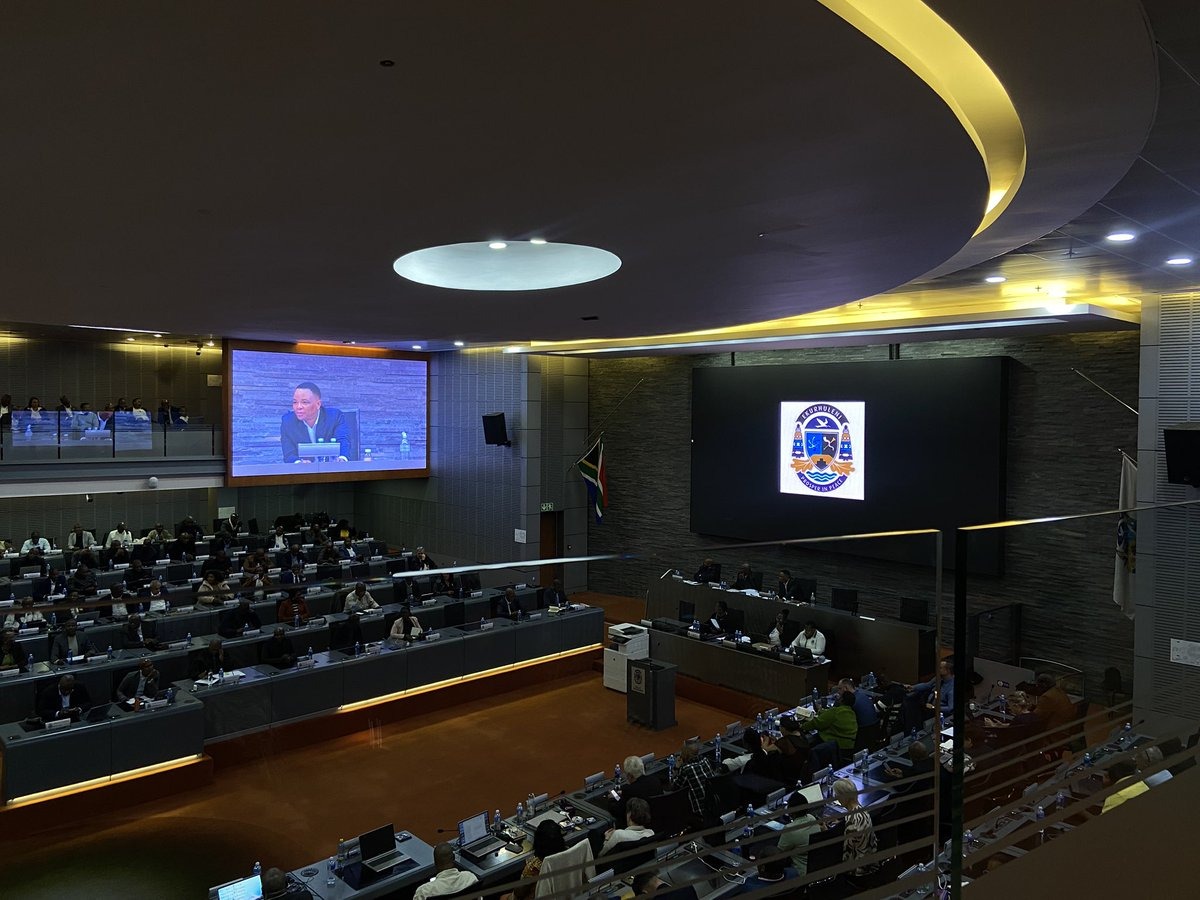
South Africa’s local government landscape requires serious reflection on the growing challenges of political instability, collapsing municipal coalitions, governance failures and the consequences these developments have for working-class communities and society at large.
The repeated collapse of municipal coalitions raises fundamental questions about political accountability, ethical leadership, institutional integrity and the sustainability of democratic governance. Local government was never intended to become an arena for political bargaining, personal ambitions, factional interests or the continuous redistribution of political positions at the expense of service delivery.
The working class, economically vulnerable households, unemployed youth, pensioners and ordinary ratepayers ultimately bear the consequences of unstable political arrangements. When coalitions collapse, municipal administration becomes vulnerable to uncertainty, interrupted programmes, weakened oversight and declining public confidence in democratic institutions.
Our democracy therefore requires more than electoral competition and the formation of political alliances. It demands principled leadership, constitutional discipline, transparency, institutional independence and measurable accountability.
The Importance of Independent Political Analysts and Civic Education
There is an urgent need to strengthen independent political analysis, public education and civic awareness throughout all sectors of society. Independent analysts, academic institutions, labour organisations, community formations and civil society must contribute meaningfully towards educating communities about the responsibilities of elected representatives, the constitutional mandate of municipalities and the consequences of coalition instability.
Communities must understand that democracy does not end at the ballot box. It is a continuous public responsibility requiring informed participation, critical engagement, constructive criticism and the ability to hold political office-bearers accountable.
We must also distinguish between legitimate coalition negotiations, which are part of democratic representation, and arrangements that undermine institutional stability, public accountability and the constitutional obligations of municipalities.
The Working-Class Struggle Cannot Be Separated from Ethical Governance
The historic struggles for workers’ rights, economic justice, political freedom and social transformation were never intended to produce institutions that become disconnected from the everyday realities of ordinary people.
Our collective responsibility must be to defend democratic values, strengthen local institutions, promote ethical leadership and ensure that municipal governance serves communities rather than narrow political interests.
The future of local democracy depends on an educated electorate, independent public scrutiny, credible political leadership and institutions capable of protecting the public interest irrespective of which political formation occupies municipal office.
Democracy must be measured not by political positions distributed among coalition partners, but by the dignity, economic opportunities, accountability and quality of services delivered to the people.
The working class deserves nothing less than responsible governance, constitutional accountability and a sustainable democratic future.
Kalipa is a former MMC for Infrastructure at Ekurhuleni Metro, a former SACP Gauteng Treasurer, former Gauteng Legislature SCOPA chair and a former trade unionist, among many roles he played in society. – @NewsSA_Online
Follow us on our social media platforms below: