BY SITHA MALIWA:
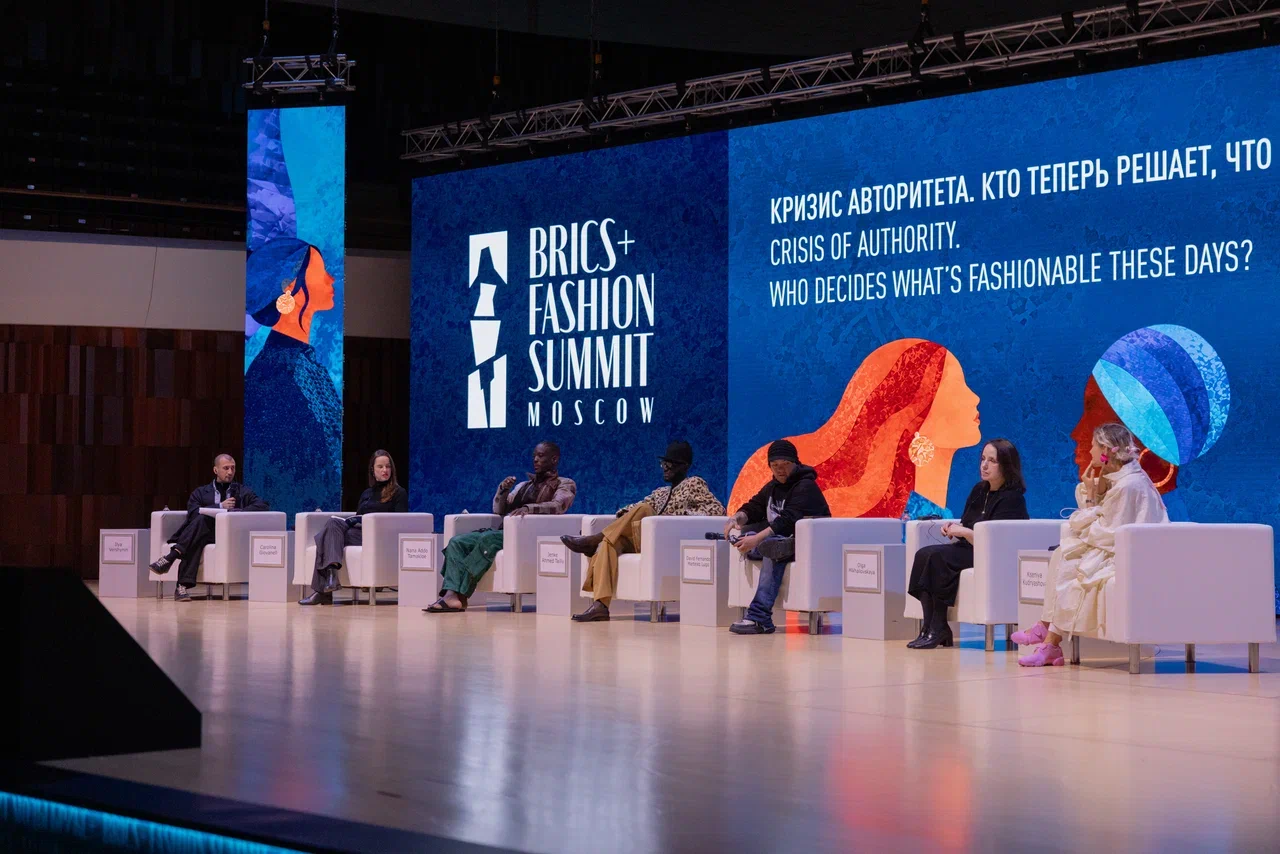
African designers are turning heads on the runway, but breaking into mainstream retail remains a battle. South Africa is now calling for a bigger share of the shop floor, urging retailers to give homegrown fashion brands the space they need to reach everyday consumers.
Stephen Manzini, founder and chief executive of Soweto Fashion Week and president of the South African Fashion Association, made the call at the BRICS+ Fashion Summit in Moscow, Russia, arguing that African fashion must move beyond catwalks and festivals into ordinary shopping spaces.
He called for stronger partnerships between designers, retailers, boutiques and craft stores to make locally designed clothing more accessible to consumers.
The summit brought together fashion industry leaders, retailers and investors from more than 60 countries to explore the challenges facing emerging fashion markets, including production costs, access to retail channels and international trade.
“The BRICS+ Fashion Summit is creating a new global platform where emerging fashion markets can connect, collaborate and do business. It moves the conversation beyond traditional fashion capitals and gives countries like South Africa an opportunity to contribute to the global fashion agenda,” Manzini said.
The event has already helped Soweto Fashion Week establish business relationships with industry colleagues and retailers from Brazil and Sri Lanka, opening potential avenues for collaboration and market access.
For African designers, however, international exposure means little without practical ways to get their products into stores and into consumers’ wardrobes.
Retail partnerships offer a way forward
Colleen Eitzen, co-founder of South African retail chain The Space, demonstrated how retailers can help emerging designers overcome the cost of operating their own outlets.
The Space stocks local designers’ collections on a commission basis, giving brands access to physical stores without the financial burden of running their own shops. Sales data also helps designers identify popular styles, colours and sizes, enabling them to respond to customer demand.
But getting into stores is only part of the challenge.

Brian James Kihindas, director of Nairobi Fashion Week and the Kenya Fashion Council, highlighted the costs of certification and the administrative demands of entering international markets. He called for greater cooperation between countries, regional product-testing laboratories and support to help small businesses meet export requirements.
In Ghana, Nana Addo Tamakloe, chief executive and founder of Accra Fashion Week, raised concerns about competition from imported second-hand clothing, which he said makes it difficult for local manufacturers to compete on price. Designer pieces, meanwhile, often remain beyond the reach of ordinary consumers.
He stressed that access to international markets is essential for many local brands to survive.
A united African fashion voice
The discussions brought together fashion industry representatives from across the continent, including Mahlet Teklemariam, founder of Hub of Africa Fashion Week and a BoF 500 member from Ethiopia; Mmantlha Sankoloba, chief executive of the Botswana Exporters and Manufacturers Association; Kalistu Ramos Mukoroli, director of MTC Windhoek Fashion Week in Namibia; Rick Anderson, director of Mauritius Fashion Festival Week; and Tery Carola, president and chief executive of Seychelles Fashion Week.
Held alongside Moscow Fashion Week, the BRICS+ Fashion Summit provided a platform to explore ways to strengthen production, improve retail access and build international business partnerships.
For African fashion, the challenge is no longer simply about showcasing creativity. It is about building commercially sustainable brands that can compete locally and internationally. Manzini’s call puts the spotlight on a crucial missing link: giving African designers not only recognition on the runway, but also a fair opportunity to occupy retail shelves and reach the consumers who want to wear their creations. – @NewsSA_Online
Follow us on our social media platforms below: