BY SITHA MALIWA:
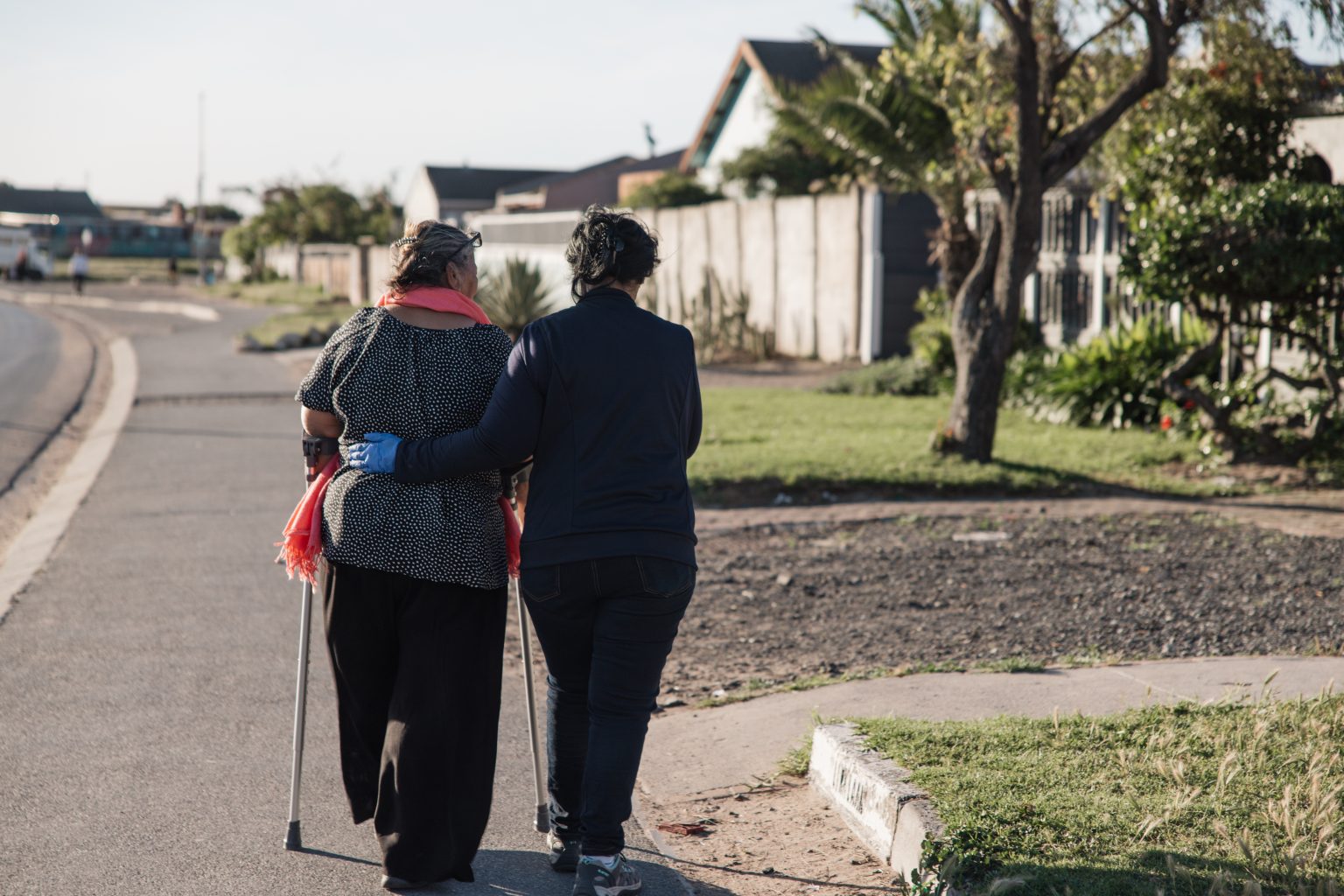
Residents of Macassar in the Western Cape will have greater access to primary healthcare following the launch of a new nurse-led clinic established through a partnership between Dis-Chem’s Better Tomorrow programme and the Cipla Foundation’s Sha’p Left initiative.
The clinic aims to make healthcare more accessible and affordable by reducing barriers such as transport costs, long queues at public health facilities and time away from work.
Macassar has approximately 52 400 residents across 14 000 households, many of whom rely on the local Community Health Centre for primary and maternity care. The new facility is expected to help ease pressure on the existing public healthcare system while providing services for common health conditions, including HIV, tuberculosis, diabetes and hypertension.
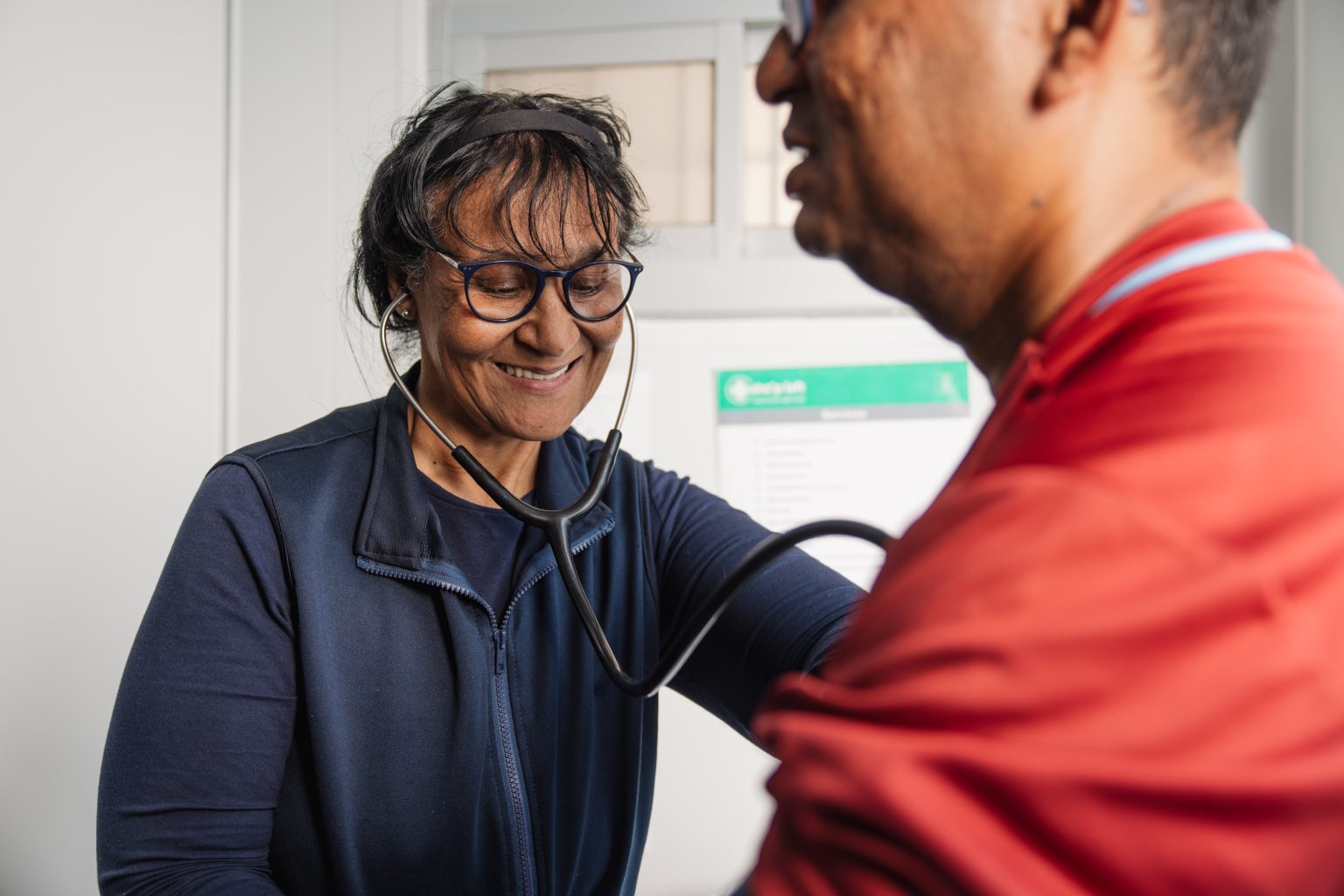
Led by Clinical Nurse Practitioner Patricia-Ann Smith, who has 37 years of nursing experience, the clinic operates as a fee-for-service practice and is licensed to dispense medication up to Schedule 4. This allows patients to receive examinations, diagnoses, treatment and prescriptions during a single visit, where appropriate.
Joshila Shiba, Dis-Chem’s head of health equity and sustainability, said the partnership was aimed at finding practical ways to bring quality healthcare closer to communities.
“Rather than building every solution from scratch, we partner with experienced organisations that already have proven, community-rooted models,” she said.
Shiba added that the Macassar clinic would provide an opportunity to assess the real-world impact and long-term sustainability of the intervention.
Empowering nurses to become entrepreneurs
For Smith, the clinic represents the fulfilment of a long-held ambition to own a healthcare business while continuing to serve the community.
The Sha’p Left initiative supports qualified nurses, predominantly women, by providing the infrastructure, training, compliance assistance and operational systems required to establish independent healthcare practices.
“I have always wanted to own a healthcare business, but nursing has always been about putting people first and building trust,” Smith said.
“Caring for my own community means a great deal to me. Primary healthcare gives us an opportunity to prevent illness, promote healthier choices and improve quality of life.”
She said being able to improve access to quality healthcare while contributing to her community made the practice particularly meaningful.
Building a sustainable healthcare model
The Cipla Foundation developed Sha’p Left to establish self-sustaining primary healthcare practices that can operate independently of ongoing philanthropic funding.
The initiative is based on the principle that trusted clinical nurse practitioners can play an important role in expanding access to essential medical services within their own communities.
Paul Miller, CEO of Cipla Africa, said affordable, nurse-led clinics could help address healthcare access challenges in South Africa.
“By bringing essential services closer to communities, we can help ease pressure on overburdened public health facilities while empowering qualified nurses to become healthcare providers and entrepreneurs in their own communities,” he said.
For Dis-Chem, supporting the Macassar clinic forms part of its broader commitment to strengthening primary and preventive healthcare across the country.
Shiba said the long-term objective was to support healthcare models that could strengthen the wider primary healthcare system.
“Macassar is our starting point,” she said, adding that demonstrating a measurable social impact through improved access to quality healthcare was central to the programme’s purpose. The partnership brings together community-based healthcare delivery and nurse entrepreneurship in an effort to make essential medical services more accessible, while creating opportunities for qualified nurses to establish sustainable practices. – @NewsSA_Online
Follow us on our social media platforms below: